
Australia is an epic continent of wild coastlines, ancient eucalyptus forests, and dramatic crimson red earth. Departing Frankfurt via Dubai on Emirates and Qantas, my best friend and I flew into Sydney to meet up with another close friend who was spending a working holiday year Down Under. Together, the three of us set out on an unforgettable three-week campervan roadtrip across southeastern Australia.
Our Ride: The Rooftop-Tent Campervan
We picked up our rental van from Wicked Campers in Sydney: a trusty Toyota equipped with a fold-out rooftop tent. Setting up camp was quick: unhook the heavy-duty canvas cover, pull down the access ladder, and a comfortable 2.10m x 1.20m rooftop shelter unfolded with a panoramic view of the bush.
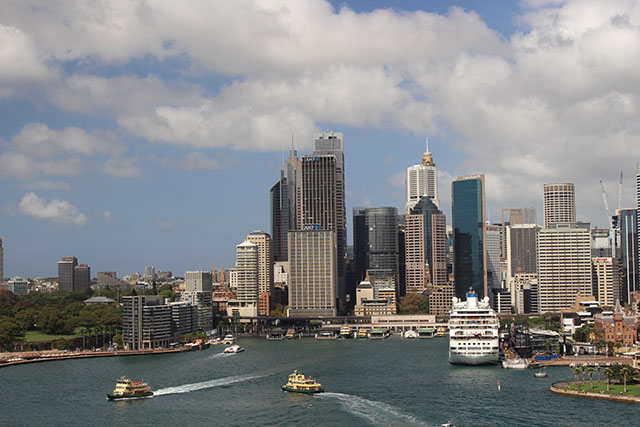
After taking in the classic view of the Sydney Opera House and Sydney Harbour Bridge from the Royal Botanic Garden, we spent our first night camping at Lane Cove River Caravan Park, where wild brushtail possums joined us for dinner around the picnic table.
Heading North: Hat Head, Gondwana Rainforest & Byron Bay
Our coastal route wound north to Hat Head National Park. Walking down to a deserted golden beach through coastal tea tree forests, we met our very first wild eastern grey kangaroo grazing by the sand.
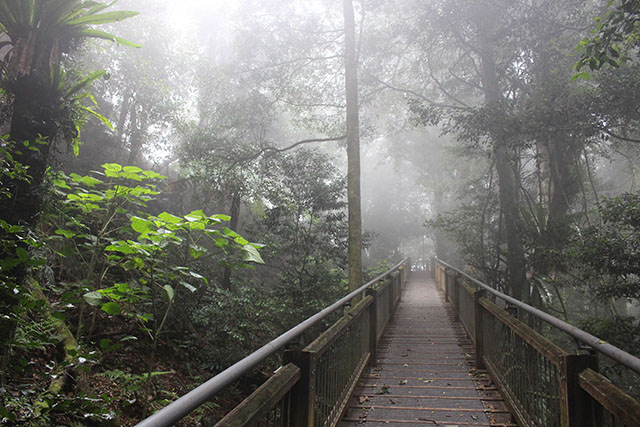
Heading inland into the mountains, we reached Dorrigo National Park – part of the UNESCO World Heritage-listed Gondwana Rainforests of Australia. Walking the elevated Skywalk platform through the misty canopy and hiking down to crystal-clear rainforest waterfalls was pure prehistoric magic.
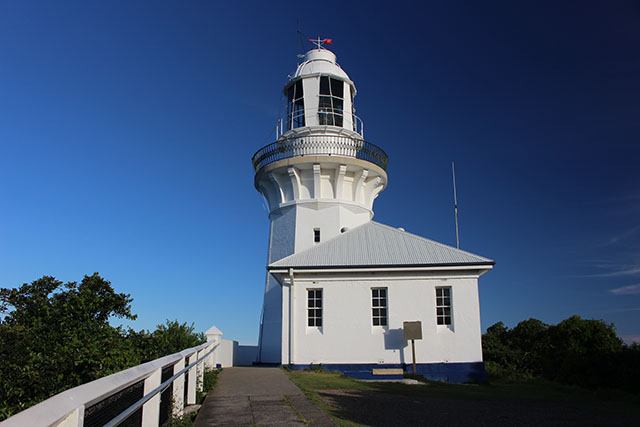
At Cape Byron – the easternmost point of the Australian mainland – the historic white lighthouse perches high on rugged cliffs. Looking down into the sparkling turquoise Pacific, we were treated to a breathtaking wildlife show: dozens of large green sea turtles surfacing for air, followed by a playful wild pod of bottlenose dolphins surfing the ocean swells!
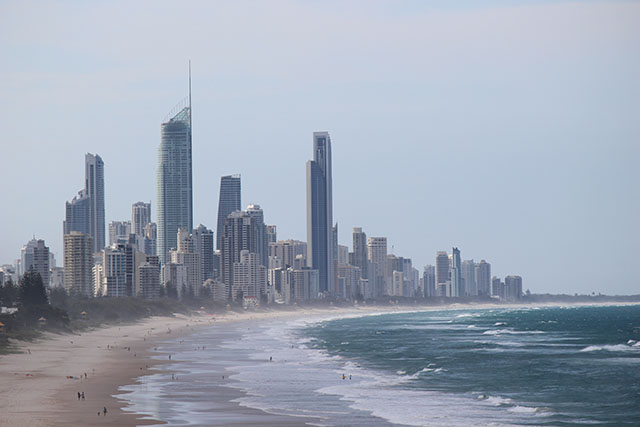
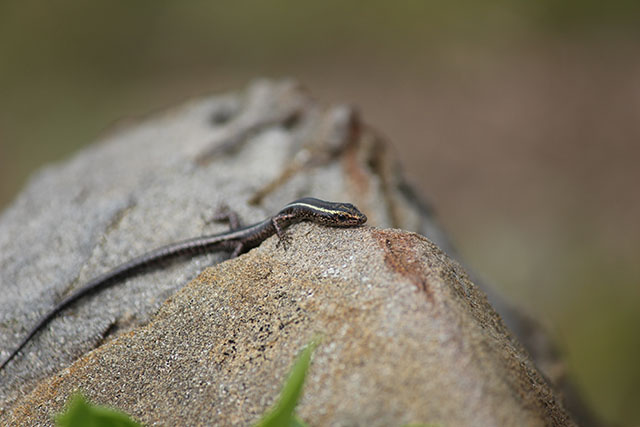
After a quick look at the towering beachfront high-rises of Surfers Paradise, we explored the coastal headland trails of Noosa National Park, spotting wild koalas, bearded dragons, and colorful rainbow lorikeets in the coastal gum trees.
Inland Outback: Narrabri, Sawn Rocks & Warrumbungles
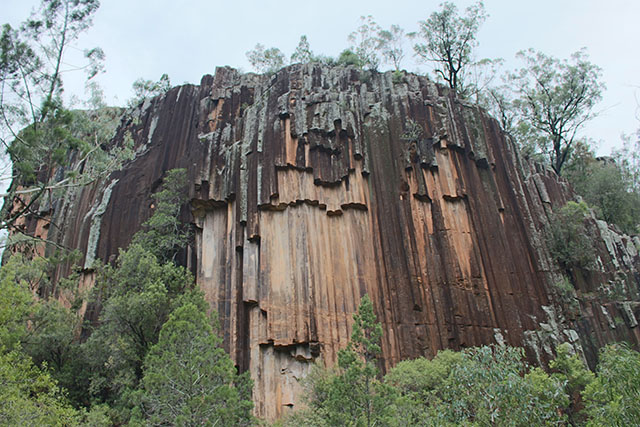
Turning inland across the Great Dividing Range, we drove into the New South Wales interior. In Mount Kaputar National Park near Narrabri, we hiked to the extraordinary Sawn Rocks – towering 40-meter pentagonal basalt columns resembling giant volcanic organ pipes.
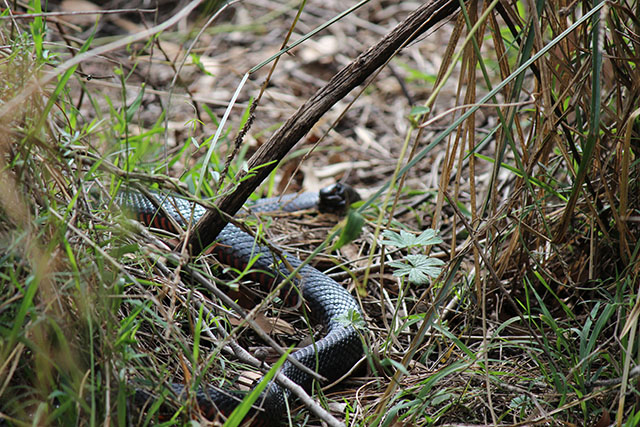
In Warrumbungle National Park, famous for its dramatic volcanic spires, we hiked to Whitegum Lookout. Along the stony trail, we encountered a highly venomous wild Red-Bellied Black Snake (Pseudechis porphyriacus) basking on the rocks – a thrilling Australian wildlife moment caught on camera!
Canberra & The Penguin Parade at Phillip Island
Continuing south via the national capital of Canberra, we crossed into Victoria and camped along the coast. At dusk on Phillip Island, we witnessed the famous Penguin Parade: hundreds of tiny fairy penguins (the smallest penguin species in the world, just 30 cm tall) emerging from the surf and waddling across the sand dunes to their burrows.
The Great Ocean Road: Twelve Apostles & Shipwreck Coast
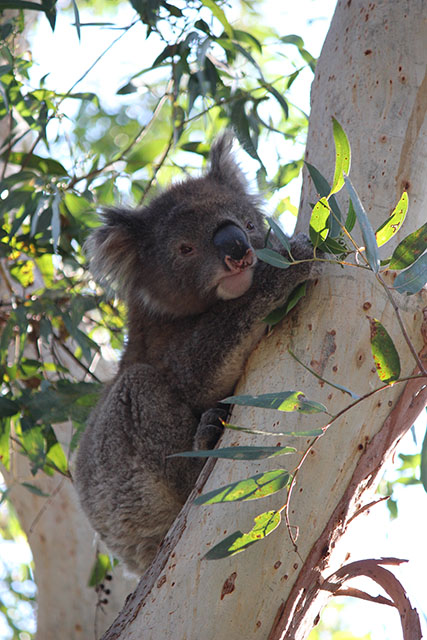
From Torquay, the legendary Great Ocean Road hugs the rugged Southern Ocean coastline. At Bells Beach, world-class surfers rode legendary ocean swells. At Kennett River, we walked among wild koalas snoozing high in the eucalyptus branches.
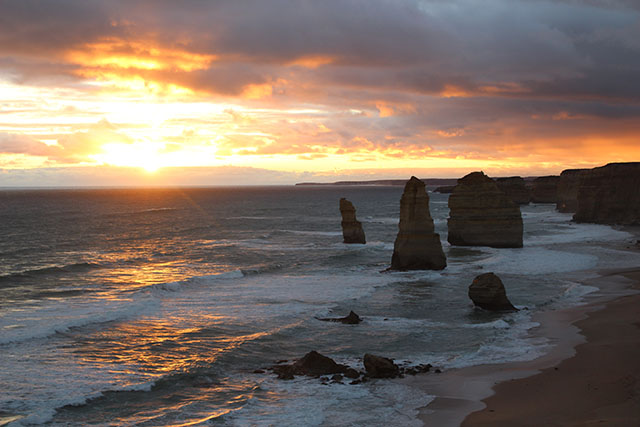
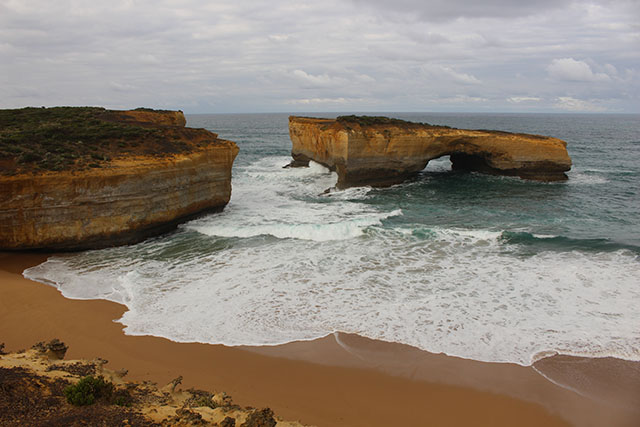
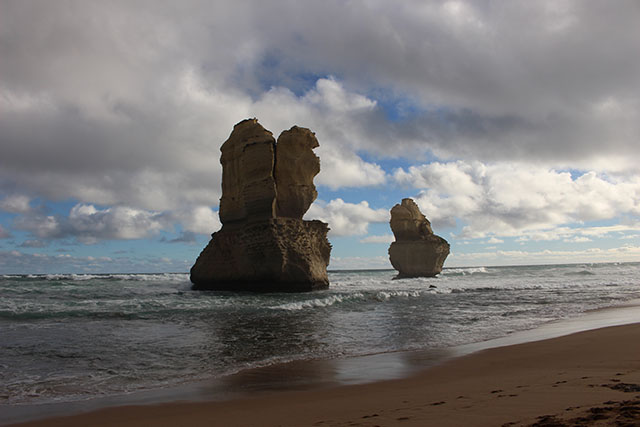
Arriving at the Twelve Apostles in Port Campbell National Park at sunset was the crown jewel of our roadtrip. The massive limestone stacks rising out of the roaring southern surf glowed in fiery amber tones.
We concluded our roadtrip exploring the lively coffee laneways and street art of Melbourne, before returning to Sydney to board our flights home. Three weeks in a rooftop tent through the Australian bush is an adventure we will cherish forever!
🇦🇺 Campervan & Roadtrip Tips for Australia
A roadtrip along the East Coast and Great Ocean Road requires smart preparation:
- Avoid Driving at Dawn and Dusk: Wildlife (especially kangaroos and wallabies) is most active at twilight. Collisions with roos are a major hazard on regional highways.
- Australia Power Adapter (Type I): Ensure your adapter fits campground power stations and guesthouse plugs.
- Warm Layers for Southern Victoria: While Queensland is tropical, night temperatures along the Great Ocean Road and inland New South Wales can drop close to freezing!
*Disclosure: The gear recommendations above are affiliate links (Amazon PartnerNet). Thank you for supporting Michi-Bird!*