
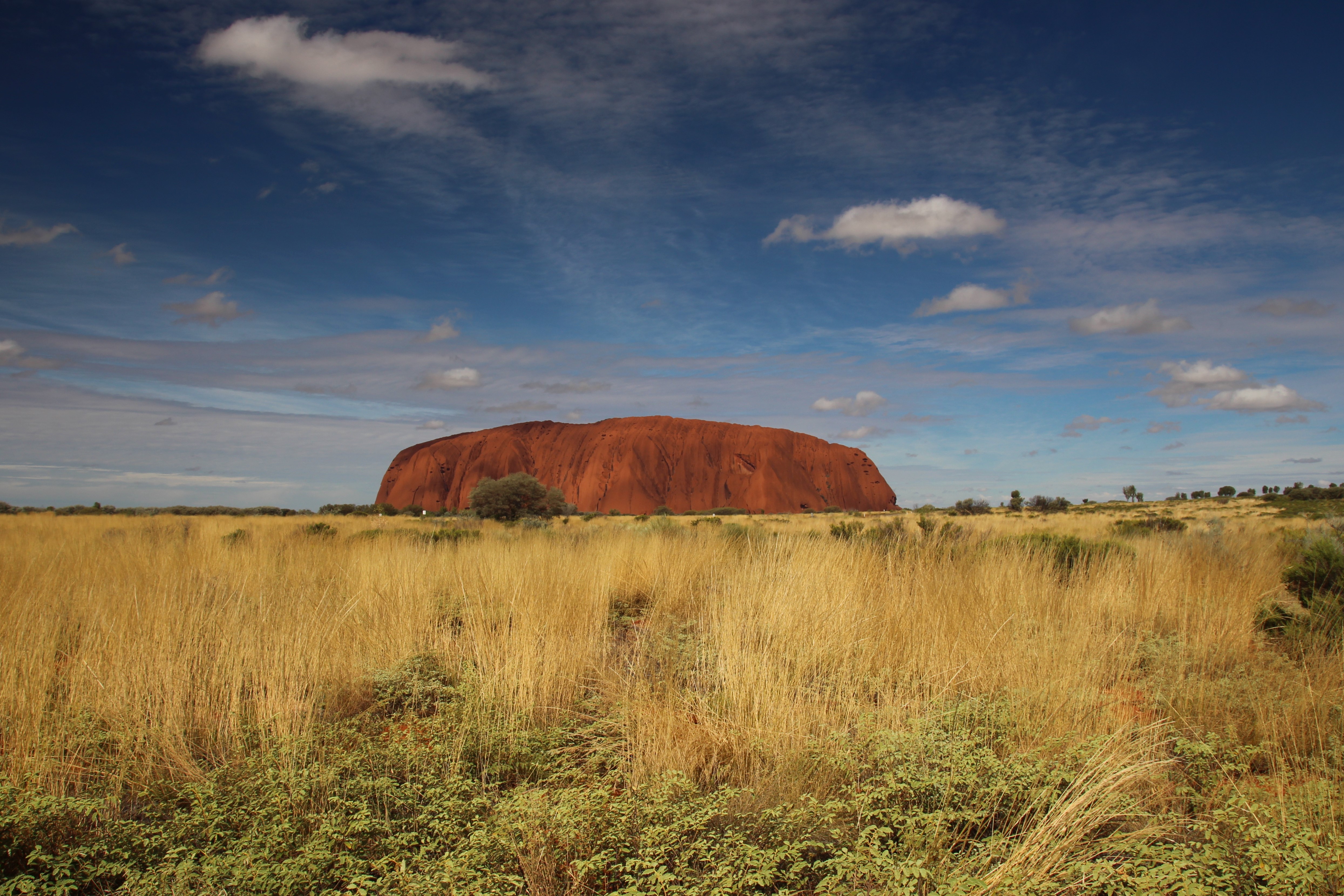
Australia – the vast Red Continent of crimson earth, ancient rainforests, and endless horizons. Once Australia gets into your blood, it never truly lets you go. Having traveled Down Under previously, the irresistible pull of the wild Outback called me back once again.
Together with a close travel companion, we timed our three-week expedition for April – late autumn and the tail end of the wet season in the tropical north. Departing Frankfurt via Dubai on Emirates, a 14-hour connection brought us directly into Brisbane on Australia’s east coast.
Brisbane: City Life Meets Subtropical Nature
From Brisbane Airport, the Airtrain carried us straight into Central Station. We checked into Annie’s Shandon Inn, a clean and welcoming heritage B&B within easy walking distance of the central business district.
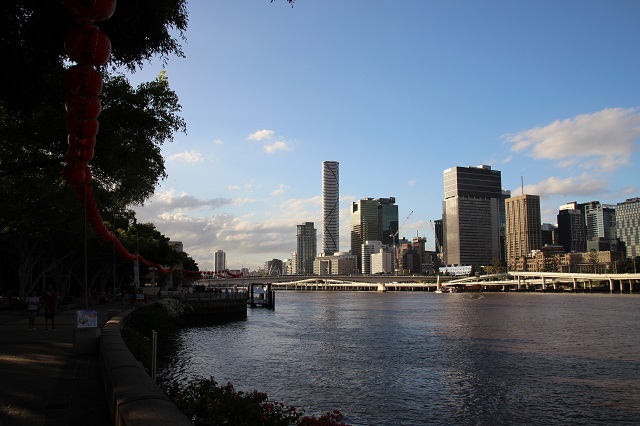
Brisbane has a vibrant riverfront character. We walked past St John’s Cathedral and along the Brisbane River boardwalk down to the City Botanic Gardens – an idyllic subtropical haven filled with ancient Moreton Bay figs, Australian white ibises, and sunbathing water dragons. We even crossed paths with a large carpet python quietly slithering through the garden undergrowth!
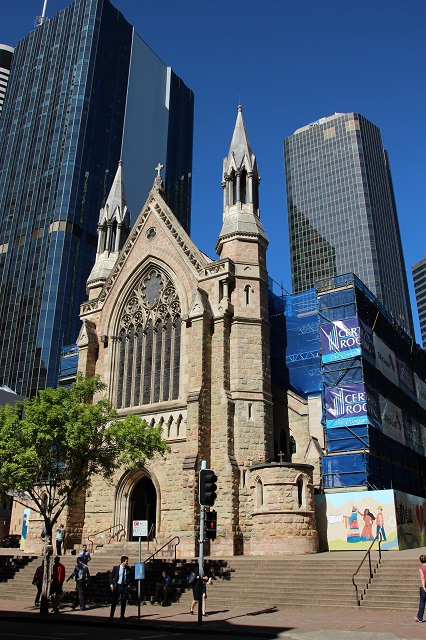
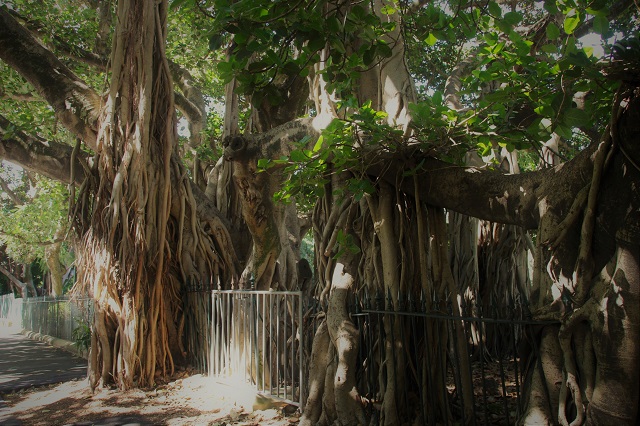
The contrast between historic sandstone colonial buildings and sparkling skyscrapers gives Brisbane a relaxed charm. Giant strangler fig trees (Ficus watkinsiana) twist dramatically along city avenues.
Lone Pine Koala Sanctuary & South Bank
The following morning we boarded the Mirimar river cruise departing the city center for the legendary Lone Pine Koala Sanctuary. As the world’s oldest and largest koala sanctuary, it offers intimate encounters with native Australian wildlife: kangaroos hopping freely on grassy lawns, wombats, platypuses, dingos, and of course dozens of snoozing koalas in eucalyptus forks.
Back in town, we explored the vibrant South Bank Parklands, including the iconic Brisbane sign, Streets Beach (a man-made lagoon beach right in the city), and the peaceful Nepalese Peace Pagoda.
Tamborine National Park: Rainforest & Glowworms
A scenic day excursion into the Gold Coast hinterland brought us to Tamborine National Park. We hiked through lush subtropical rainforest to Cedar Creek Falls and toured an underground glowworm cave where thousands of bioluminescent fungus gnat larvae shine like constellations in the dark.
During lunch at the Cedar Creek Estate, colorful wild rainbow lorikeets swooped down, while a laughing kookaburra perched proudly in the gum trees above.
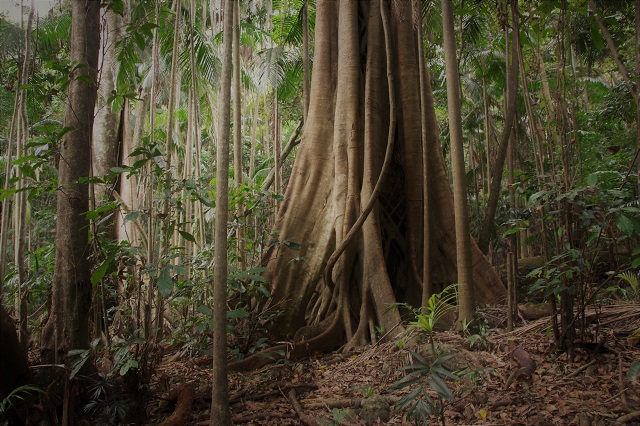
Fraser Island (K’gari): The World’s Largest Sand Island
Our three-day 4WD expedition to Fraser Island (K’gari) was pure bucket-list adventure. Departing Rainbow Beach via barge, our heavy-duty 4×4 safari bus drove directly onto 75-Mile Beach – an official highway where 4WDs cruise at 80 km/h right on the wave-washed sand!
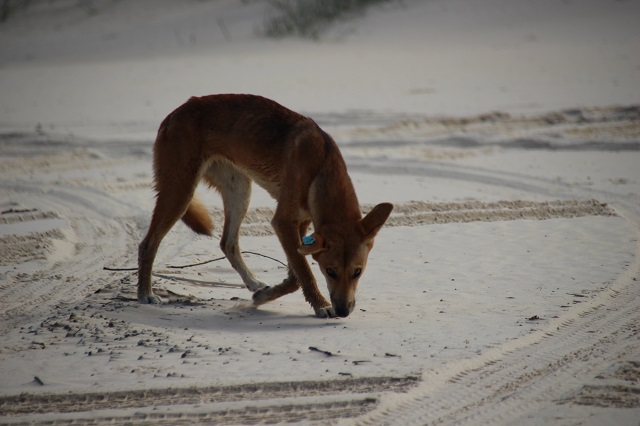
Within our first hour, we spotted wild dingos foraging along the coastline. Roughly 300 purebred dingos roam the island.
K’gari is unique: it is the only place on earth where tall rainforests grow directly out of sand dunes. We swam in the pure, crystal-clear freshwater of Lake Birrabeen – an astonishing perched dune lake surrounded by dazzling silica sand so fine that it gently exfoliates your skin.
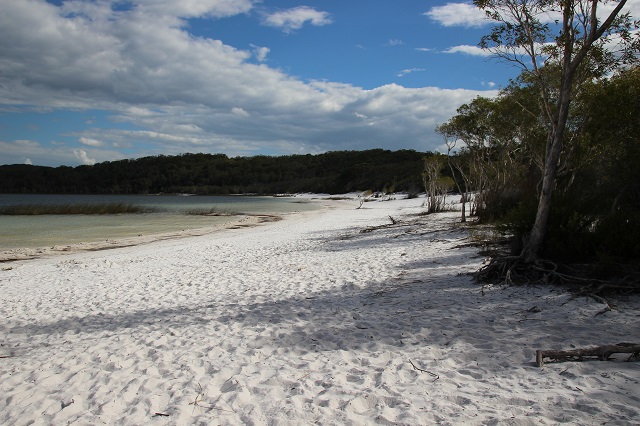
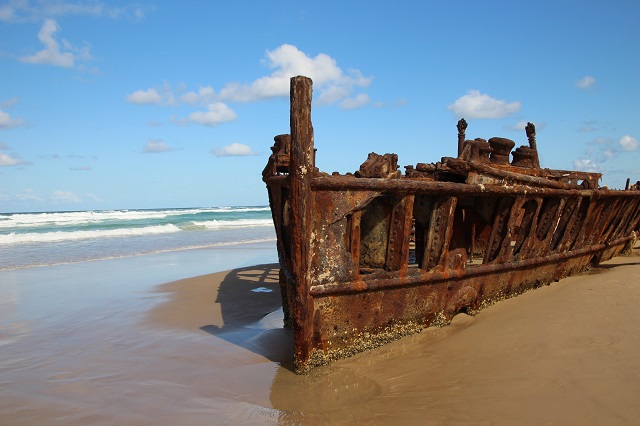
Our itinerary took us to the towering Kirra Sandblow for boomerang-throwing practice, the natural bubbling ocean jacuzzi of the Champagne Pools, Indian Head cliff overlook, the freshwater current of Eli Creek, and the haunting rusted shipwreck of the SS Maheno, stranded ashore since a cyclone in 1935.
Alice Springs & The West MacDonnell Ranges
Flying inland via Adelaide, we arrived in Alice Springs, the remote beating heart of the Red Centre. Joined by Emu Run Experience, we ventured deep into the ancient geology of the West MacDonnell Ranges (Tjoritja).
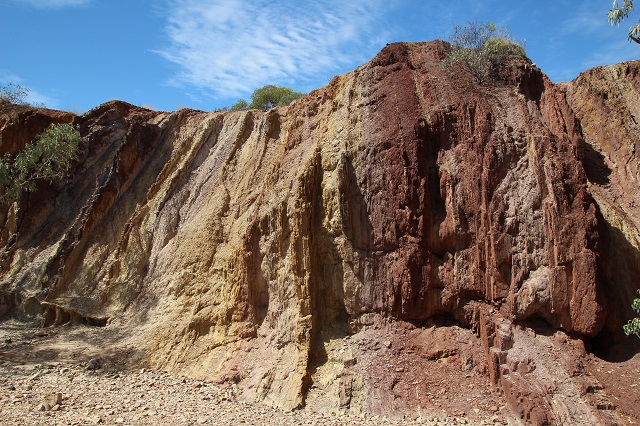
At Simpson Gap, towering red quartz walls shelter deep permanent waterholes where we watched endangered black-footed rock wallabies hop effortlessly across vertical cliffs. We visited Standley Chasm, the sacred Aboriginal Ochre Pits where ancestral tribes mined ceremonial pigments, and celebrated a bush picnic at Ormiston Gorge.
The Red Centre: Kings Canyon & Uluru-Kata Tjuta
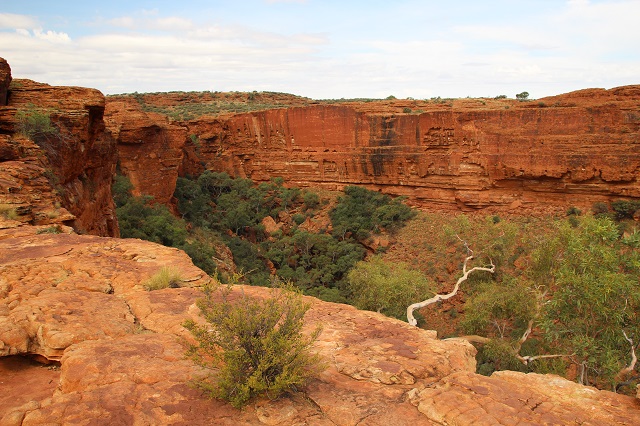
Setting out on a three-day Outback camping expedition with The Rock Tour, we drove into Watarrka National Park (Kings Canyon). We tackled the famous 6.5 km Canyon Rim Walk, beginning with the steep climb of “Heart Attack Hill.” The sandstone domes of the Lost City and the lush green oasis of the Garden of Eden nestled deep inside the canyon gorge are sublime.
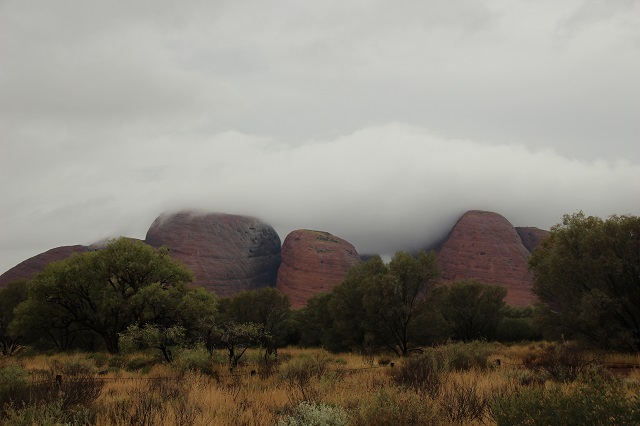
The following morning brought us to the colossal rounded domes of Kata Tjuta (The Olgas) for the challenging 7.5 km Valley of the Winds hike. As the clouds parted, the massive red conglomerates glowed with intense fiery warmth.
And then came the icon itself: Uluru (Ayers Rock). At sunset, the 348-meter monolith undergoes a breathtaking transformation – shifting from dusty terracotta to burning crimson and deep violet as twilight deepens. Sitting around a bush campfire in Yulara listening to Dreamtime legends was unforgettable.
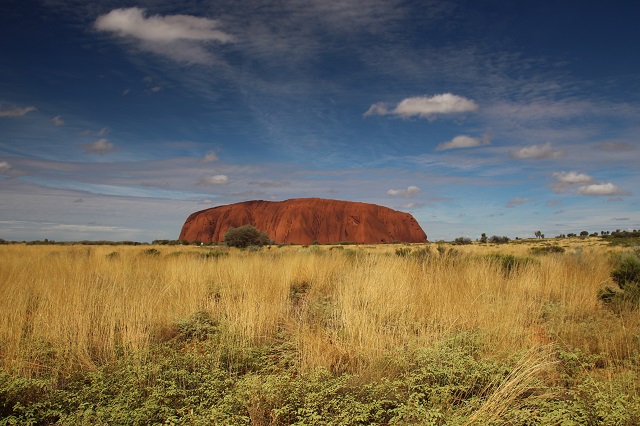
On our return journey along the Lasseter Highway, we stopped at the Mount Connor lookout with stunning views across the salt pan of Lake Amadeus, and even took a camel ride along red sand dunes.
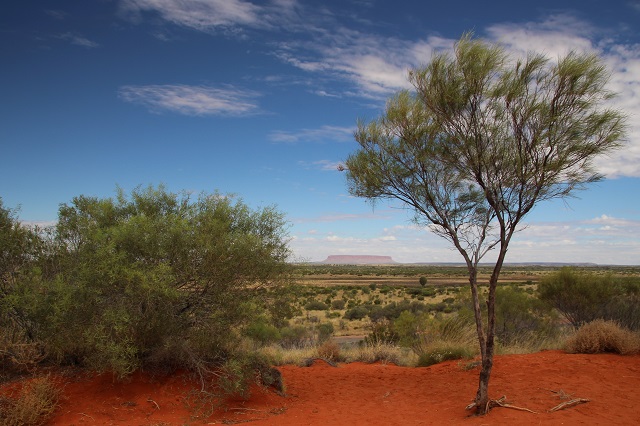
Overland via Stuart Highway to Darwin: Swags & Southern Cross
From Alice Springs, we embarked on an epic 1,500-kilometer overland safari north to Darwin aboard the legendary Stuart Highway, crossing the Tropic of Capricorn into the tropics. Passing massive multi-trailer road trains, we stopped at the sacred spherical granite boulders of Karlu Karlu (Devils Marbles).
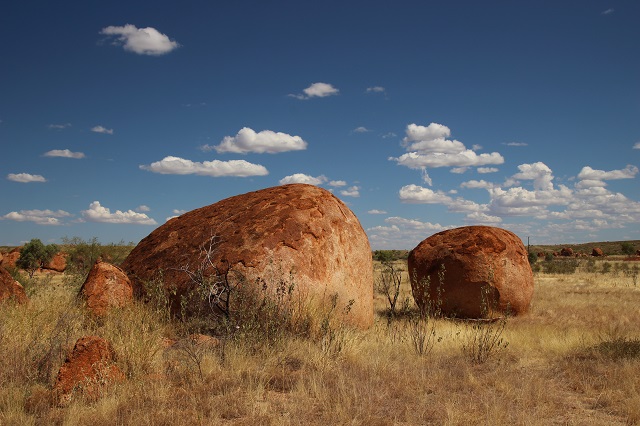
Sleeping under the open sky at Banka Banka cattle station in an Australian swag was one of the finest moments of the trip: looking up into the unpolluted southern night sky, the Milky Way arched across the heavens with breathtaking clarity alongside the Southern Cross constellation.
Continuing north, we stopped at the eccentric Daly Waters Pub (plastered ceiling-to-floor with travelers’ memorabilia), paused at Mataranka, and hiked along Katherine Gorge (Nitmiluk National Park), watching flying foxes roosting in the riverside trees.
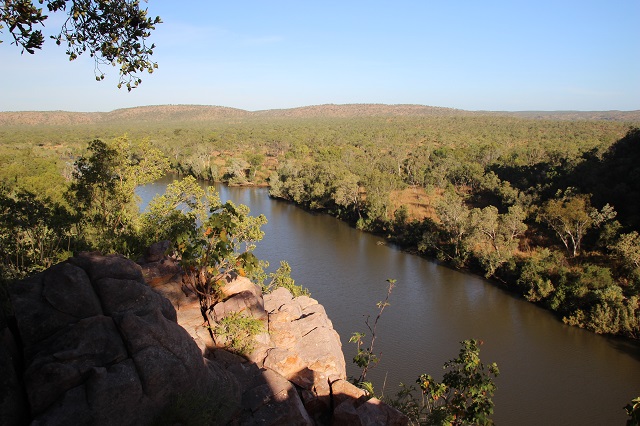
Kakadu & Litchfield National Parks: The Tropical Top End
Our final expedition took us into UNESCO World Heritage-listed Kakadu National Park. On a wetland billabong cruise, giant saltwater crocodiles glided silently beside our boat. At Nourlangie Rock (Burrungkuy), we admired ancient Aboriginal rock art galleries dating back tens of thousands of years.
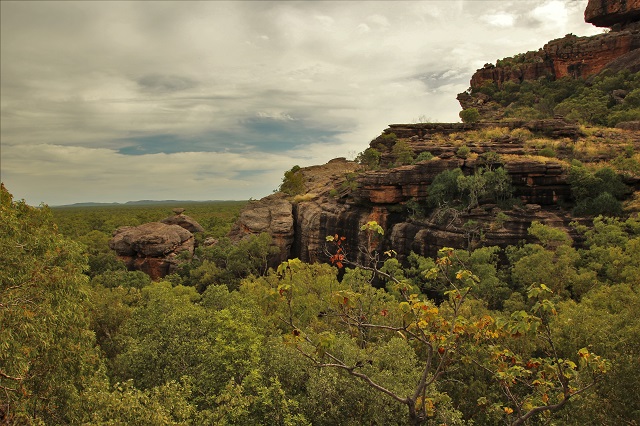
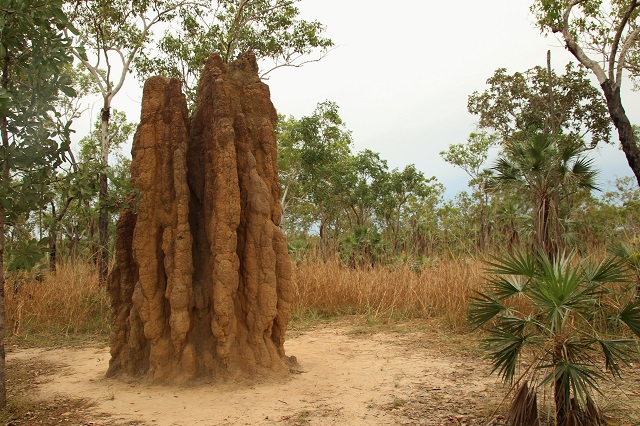
In neighboring Litchfield National Park, we stood beside colossal two-meter-tall magnetic termite mounds oriented north-to-south like natural compasses and swam beneath the cascading waters of Florence Falls.
Farewell to Australia
We concluded our three-week Australian adventure in Darwin, browsing the Indigenous Art galleries and strolling through George Brown Botanic Gardens before flying home via Perth and Dubai.
Three weeks flew by in a flash. With over 3,000 photos captured, Australia proved once again to be one of the most mesmerizing, untamed, and friendly travel destinations on planet earth. See you again, wonderful Australia!
🇦🇺 Australia Packing Essentials & Outback Gear Guide
From tropical monsoons in the Top End to blazing desert heat in the Red Centre, Australia demands durable travel gear. Here are the items that saved our trip:
- Australia Power Adapter (Type I): Standard European or US plugs do not fit Australian wall outlets. A multi-port Australia Travel Adapter with Fast USB Charging keeps your camera, phone, and power banks charged on the go.
- High-SPF 50+ Sunscreen & Broad-Brim Hat: Due to low atmospheric ozone levels, UV radiation Down Under is intense year-round. Water-resistant SPF 50+ sunscreen and a wide-brim UV trekking hat are essential daily gear.
- Outback Fly Head Net: In the dry interior around Alice Springs and Uluru, Australian bush flies can test your sanity. A featherlight Outdoor Mosquito & Fly Head Net weighs next to nothing and makes desert hiking infinitely more enjoyable!
- 3-Liter Hiking Hydration Reservoir: The dry heat of Kings Canyon and Uluru dehydrates your body rapidly. Never embark on Outback trails with less than 2 to 3 liters of water per person.
*Disclosure: The gear recommendations above are affiliate links (Amazon PartnerNet). If you order through these links, I may earn a small commission with no change to the price for you. Thank you for supporting Michi-Bird!*